


Material Culture, Gender, and Maintenance Activities in Making and Resisting Early Modern Colonial Globalization. A Long-term Perspective from Tåno’ Låguas yan Gåni
A project that explores the deep connections between material culture, gender and everyday life in making and resisting early colonial globalization, with Tåno’ Låguas yan Gåni (the Mariana Islands) as a case study


In the Western Pacific, Tåno’ Låguas yan Gåni has been home to the CHamoru people for thousands of years
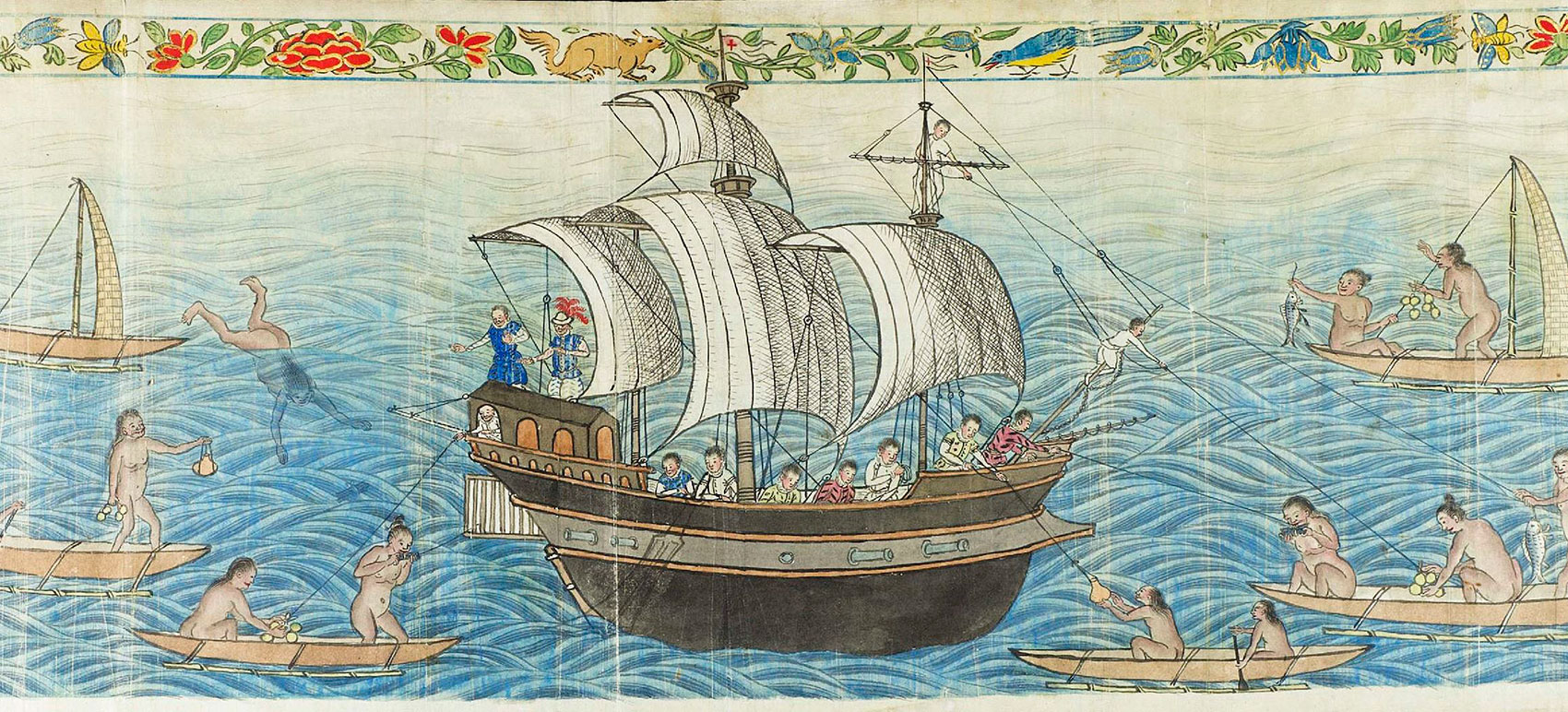
On 6 March 1521, the first interactions between Pacific islanders and Europeans took place. That day, the inhabitants of Guåhan provided vital food staples to Magellan’s exhausted crew, which ultimately enabled them to complete the first circumnavigation of the world.
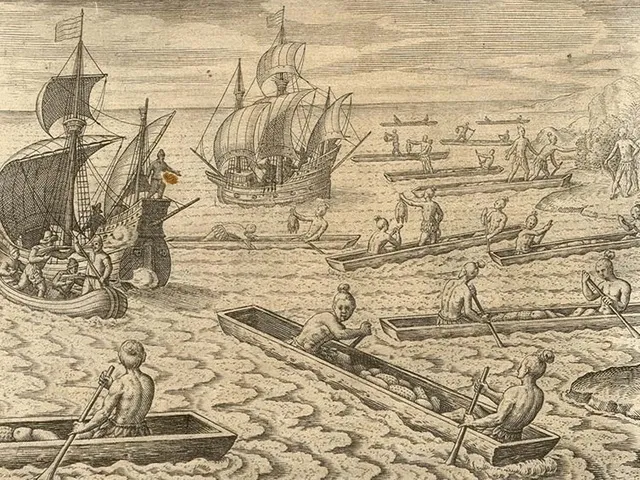
The Magellan episode was more than just a fleeting moment in history—it was a sign of things to come. That first contact already carried the weight of inequality, setting the stage for centuries of colonial domination. From the very beginning, CHamoru people were not seen as equals. They were treated as tools to be used—people who could be kidnapped, killed, or stolen from—within a broader colonial framework that dehumanized them.

In June 1668, a new chapter began when a group of Jesuit missionaries arrived in Tåno’ Låguas yan Gåni to establish the first Christian mission. Irrevocable change was forcibly brought upon the archipelago.

Tension simmered and soon erupted as the CHamorus saw their cherished lifeways slipping under threat. Despite Indigenous resistance, colonial agents forcibly nucleated CHamorus from all corners of the islands into a reduced number of villages called reducciones.

Regrettably, permanent colonization arrived in Tåno’ Låguas yan Gåni to remain, unfolding in a relentless chain of colonial rule—Spanish, German, Japanese, and US occupations—that persists to this day.
Today, through MaGMa, we journey back to explore how Spanish colonization affected the CHamoru people, and how they resisted it.
Step into this journey and uncover the heart of our pursuit

MaGMa project:
Archaeology of Colonialism and Indigenous Resistance in the Mariana Islands

Main concepts
Maintenance Activities


The concept of Maintenance activities refers to a series of everyday life activities that address fundamental human needs through an interpersonal relationship of care.
View moreCultural Persistence and Continuity
The emphasis on cultural persistence is grounded in Indigenous, postcolonial and feminist studies that underscore the importance of establishing cultural continuity to understand the past and how it has shaped the present.
View moreGender and Patriarchal Turn
We understand gender in a broad sense —as a dynamic, flexible, and historically situated social structure that is continuously in process.
View moreTransgenerational Learning
Transgenerational learning is a maintenance activity that is characterized by the dynamics of inter- and intra-generational learning and teaching that takes place through affective relationships.
View moreHealways
Healways refers to the tangible practices, customs, beliefs, and conceptual frameworks that shape how individuals and communities understand and manage illness, health, and healing. The term has been developed to capture the specific medical cultures of a given time and place through the analysis of their enactments.
View moreDresscapes
We will use the concept of dresscapes to encapsulate the complex web of interrelationships between the construction of selves, values, material culture, landscape, and technology in relation to dress, clothing, and ornamentation.
View moreTåno’ Låguas yan Gåni
Tåno’ Låguas yan Gåni is the CHamoru name given to a 15 island archipelago located in the Pacific ocean, between 13 – 21º N latitude and 144 – 146º E longitude. This archipelago is also known as Mariana Islands following the name that Spanish colonial agents gave to the islands in the 17th century.
View more




Fieldwork
Learn about the MaGMa team’s archaeological excavations and our collaborations with leading research institutions in Tåno' Låguas yan Gåni

3 archaeological excavations

2 institutions
