Part of this research is being developed within a doctoral investigation conducted by Luis Berrocal-Maya.

Research lines

This research line investigates the changes that Spanish colonialism imposed to the construction and maintenance of built spaces and the Indigenous cultural continuities that persisted through them.


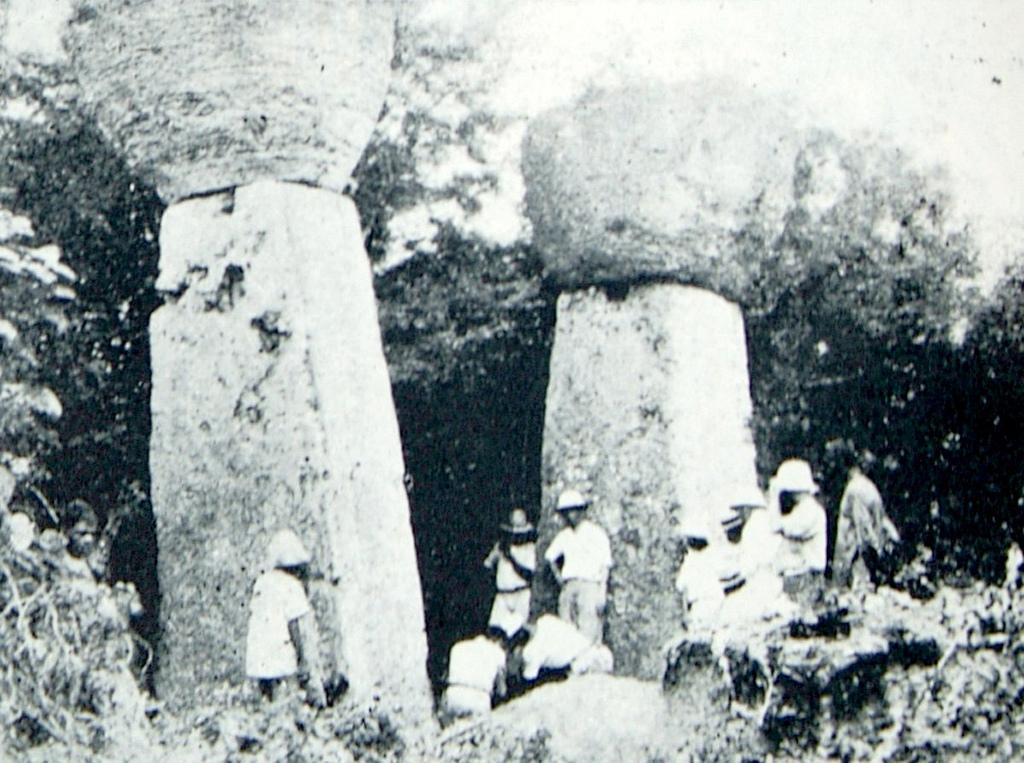
Around the 11th century, the CHamorus developed an impressive and unique architecture: the latte structures. These consisted of two parallel rows of megalithic columns that supported dwellings made of perishable material. The communities invested significant effort not only in building these structures but also in maintaining them over time.. As everyday life took place in and around them, latte buildings are key to understanding how local groups structured and experienced space.

In 1521, Magellan’s expedition reached Tåno’ Låguas yan Gåni, marking the beginning of a period of cultural interaction. During this time, various expeditions, missionaries, and shipwrecked sailors arrived in the islands. They were the first to record observations of the latte structures—elements now lost due to their construction from perishable materials.
In 1668, the establishment of the first permanent Jesuit mission marked a turning point for traditional in traditional CHamoru ways of life. Despite sustained Indigenous resistance to colonization, by around 1700 the entire population of Tåno’ Låguas yan Gåni had been forcibly relocated to southern Guåhan. There, new spatial arrangements were imposed in line with colonial ambitions.
The colonial system targeted everyday life, reshaping housing practices and the use of space. New institutions—such as churches and schools—became dominant focal points within the landscape. In this new context, where open confrontation was no longer viable, CHamorus cultivated alternative forms of cultural persistence, many of which were expressed through their relationship to built environments. Even during the 20th century, some houses continued to be built on stilts, and today Latte pillars are one of the most recognized identity symbols for the CHamoru people.
Part of this research is being developed within a doctoral investigation conducted by Luis Berrocal-Maya.